Indian Marble vs Granite: Which Natural Stone Is Right for Your Project?
Choosing between marble and granite is one of the most common decisions architects, interior designers, builders, and homeowners face when planning a flooring, countertop, or cladding project. Both are premium natural stones, both are quarried extensively in India, and both can transform a space — but they behave very differently once installed. This guide breaks down the real differences so you can choose with confidence.
What Is Marble?
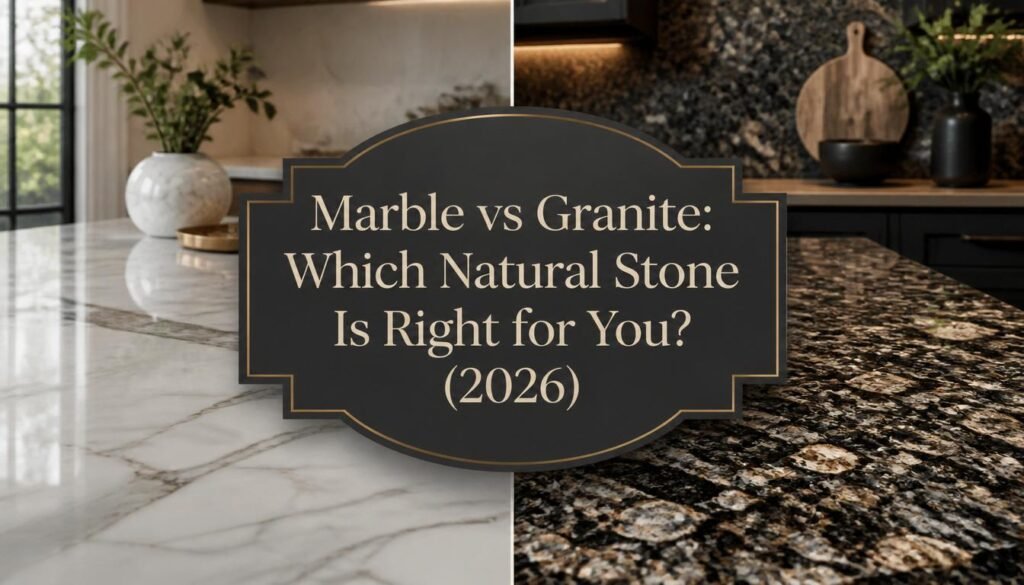
Marble is a metamorphic rock formed from limestone, known for its soft, flowing veining and luminous surface. It’s prized in architecture and design for its timeless, elegant look — the kind seen in classical sculptures, luxury hotel lobbies, and high-end residential interiors. India is home to some of the world’s most sought-after marble varieties, including Makrana White, Albeta, and Statuario-style stones, largely quarried in Rajasthan.
What Is Granite?
Granite is an igneous rock formed from cooled magma, giving it a granular, speckled texture created by interlocking crystals of quartz, feldspar, and mica. It’s harder and less porous than marble, which makes it a popular choice for kitchen countertops, flooring in high-traffic commercial spaces, and outdoor applications.
Marble vs Granite: Key Differences
1. Durability and Hardness
Granite is significantly harder than marble and more resistant to scratches, heat, and everyday wear. Marble is comparatively softer, which makes it easier to cut and shape into detailed forms, but also more prone to surface damage over time without proper care.
2. Porosity and Maintenance
Marble is more porous than granite, so it absorbs liquids more readily and needs regular sealing to prevent staining. Granite’s tighter structure means less frequent sealing and generally lower long-term maintenance.
3. Appearance
Marble is defined by soft, organic veining in tones like white, cream, grey, and green — it reads as elegant and classical. Granite offers a bolder, speckled look across a wider color range, including black, brown, red, and blue, and tends to suit modern, high-contrast interiors.
4. Cost
Marble is generally priced higher than granite, largely due to the complexity of quarrying and the skilled craftsmanship required for cutting and polishing. Granite, being more abundant and easier to machine, is often the more budget-friendly option — though rare colors and finishes in either category can shift this significantly.
5. Best Applications
- Marble: Flooring, wall cladding, statues, decorative accents, and interiors where a luxurious, classical aesthetic is the goal
- Granite: Kitchen countertops, high-traffic flooring, commercial spaces, and outdoor applications where durability matters most
When you choose the right marble for your project and maintain it correctly, your investment will continue to look elegant for years.
Why Source Marble and Granite from India?
Rajasthan alone produces an enormous share of the world’s marble supply, and India has built a mature, export-ready stone industry with quarries, processing units, and logistics infrastructure built specifically for international buyers. For global importers, this typically means:
- A wider range of colors, textures, and finishes than most single-country suppliers can offer
- Competitive pricing due to abundant reserves and established processing capacity
- Slab, tile, block, and custom cut-to-size options for different project needs
Don't Forget the Import Side
Sourcing the right stone is only half the equation — successfully importing it into your country involves customs classification, documentation, and compliance that varies by destination. If you’re new to importing from India or want to streamline the process, Go 4 Export India provides consultation on import and export processes from India, helping international buyers navigate sourcing and trade logistics with confidence.
Final Thoughts
There’s no universal “better” choice between marble and granite — it depends on your project’s function, budget, and aesthetic goals. If you want timeless elegance and are prepared for a bit more upkeep, marble is hard to beat. If durability and low maintenance are the priority, granite is the safer bet.
Looking to source premium Indian marble or granite for your next project? Contact Patel Timber Corporation to request samples and a quote.