Quartz vs Marble vs Granite: Which Should You Choose?
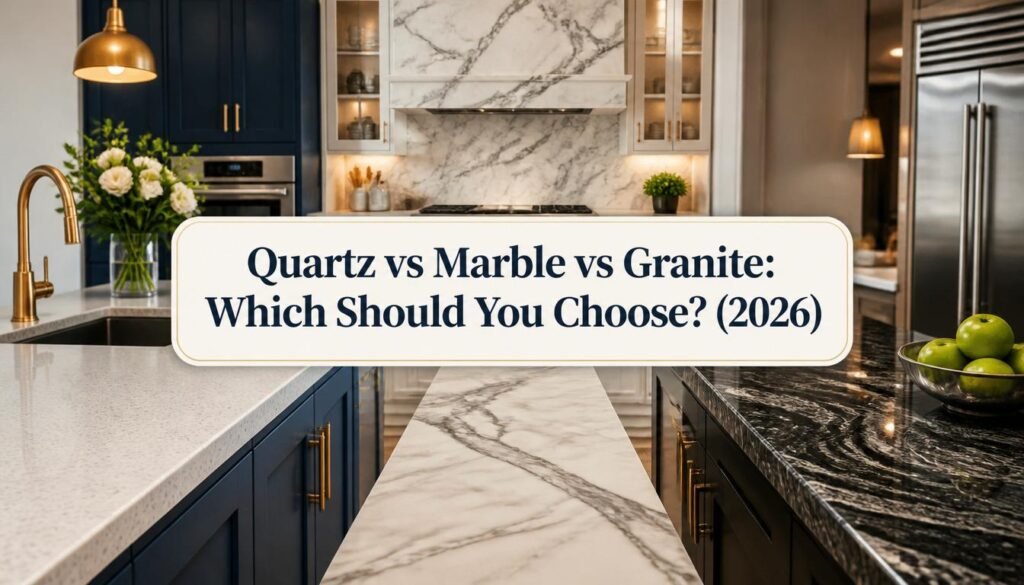
When it comes to countertops, flooring, and interior surfaces, quartz, marble, and granite are the three materials buyers compare most often. Quartz is engineered, while marble and granite are natural stones — and that distinction drives most of the practical differences between them. Here’s how they compare.
The Core Difference: Natural vs Engineered
Marble and granite are quarried directly from the earth, meaning every slab has unique veining, color variation, and natural character. Quartz, on the other hand, is an engineered material made from roughly 90-95% crushed natural quartz combined with resins and pigments, giving it a more uniform, consistent appearance.
Durability
Granite is the hardest of the three and highly resistant to scratches and heat. Quartz is also very durable and, because it’s non-porous, resists staining exceptionally well. Marble is the softest of the three and more prone to scratching, etching, and staining if not properly sealed and maintained.
Maintenance
Quartz requires the least maintenance — its non-porous surface doesn’t need sealing and resists stains without much effort. Granite needs periodic sealing but is otherwise fairly low-maintenance. Marble requires the most care, needing regular sealing and careful handling around acidic substances to avoid etching.
Appearance and Uniqueness
This is where natural stone has a clear edge for many buyers. Marble and granite each carry natural, one-of-a-kind veining and mineral patterns that engineered quartz, however well-designed, can’t fully replicate. Quartz offers more consistency and predictability across large orders, which can be an advantage for commercial projects needing uniform slabs, but it doesn’t carry the same natural authenticity that draws many buyers to marble and granite.
Heat Resistance
Granite handles heat exceptionally well, making it a strong choice near stovetops. Quartz is heat-resistant but can be more sensitive to very high or prolonged heat exposure than granite. Marble is more heat-sensitive and prone to discoloration under sustained heat than either alternative.
Cost
Pricing varies considerably by grade and origin for all three. Quartz pricing tends to sit in a fairly predictable mid-to-upper range due to its engineered, standardized production. Granite is often more affordable at entry-level grades, while premium marble varieties typically command the highest prices of the three due to rarity and quarrying complexity.
Environmental Considerations
Marble and granite are natural, quarried materials, while quartz involves resin binders as part of its manufacturing process. Buyers with strong sustainability preferences often weigh this distinction as part of their decision, alongside sourcing practices and transportation footprint.
Which One Should You Choose?
- Choose granite if durability, heat resistance, and a bold natural look are your top priorities
- Choose marble if you want a timeless, luxurious aesthetic and are prepared for a bit more maintenance
- Choose quartz if low maintenance and consistent appearance across large orders matter most to your project
Sourcing Natural Stone for Your Project
If you’ve decided natural stone is the right fit, sourcing from an established, export-ready supplier matters just as much as the material choice itself. Patel Timber Corporation exports marble, granite, sandstone, and Kota stone to international buyers, offering a range of colors, finishes, and formats to suit different project needs.
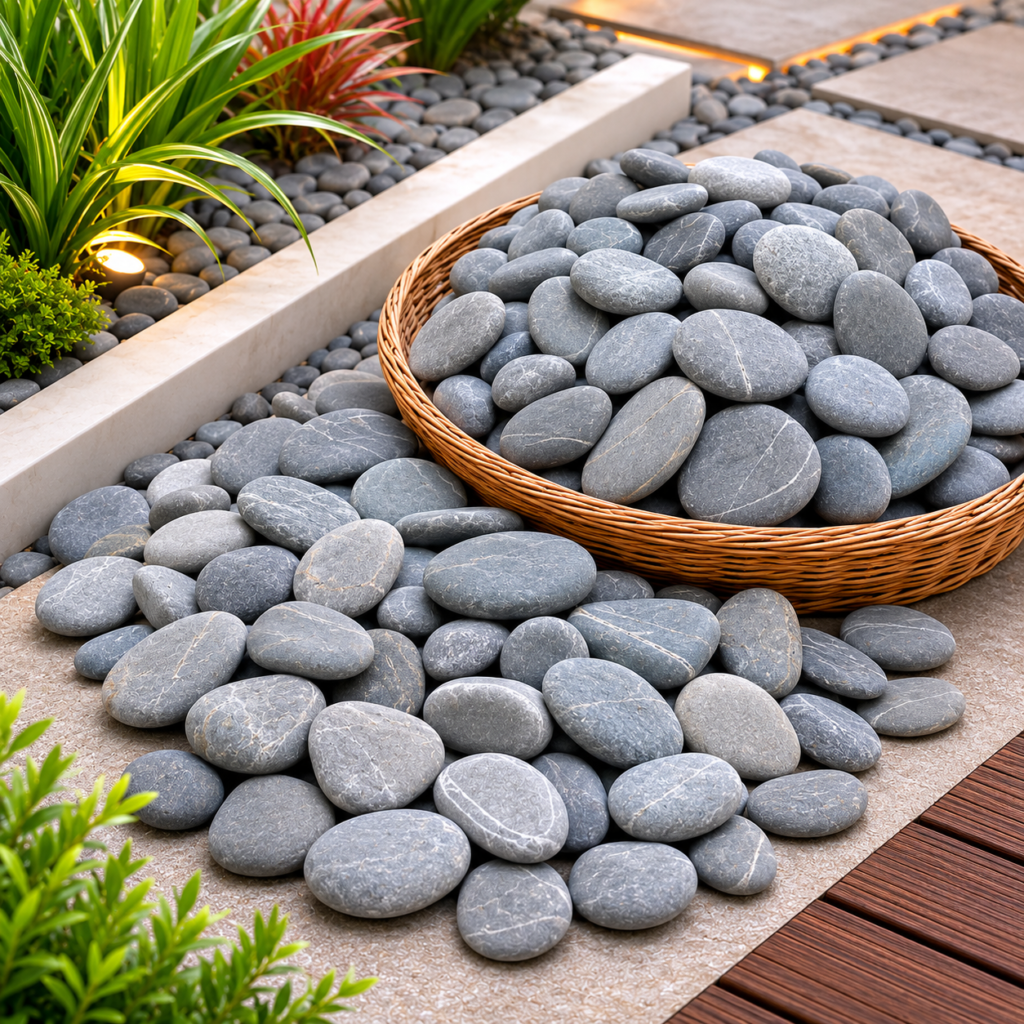
- Visual appearance
- Slip resistance
- Maintenance
- Price
Importing Natural Stone the Right Way
Once you’ve chosen your material, understanding the import process — documentation, customs classification, and destination compliance — helps avoid delays and unexpected costs. Go4Export India (go4exportindia.com) provides consultation on import and export processes from India to support international buyers through this stage.
Final Thoughts
There’s no single “best” choice among quartz, marble, and granite — the right material depends on your priorities around maintenance, durability, budget, and aesthetic. Understanding these core differences puts you in a much stronger position to choose confidently.
Considering natural stone for your next project? Get in touch with Patel Timber Corporation for samples and pricing.